
Personalised nutrition: The foundation of Better Health
Individualisation of Nutritional Requirements
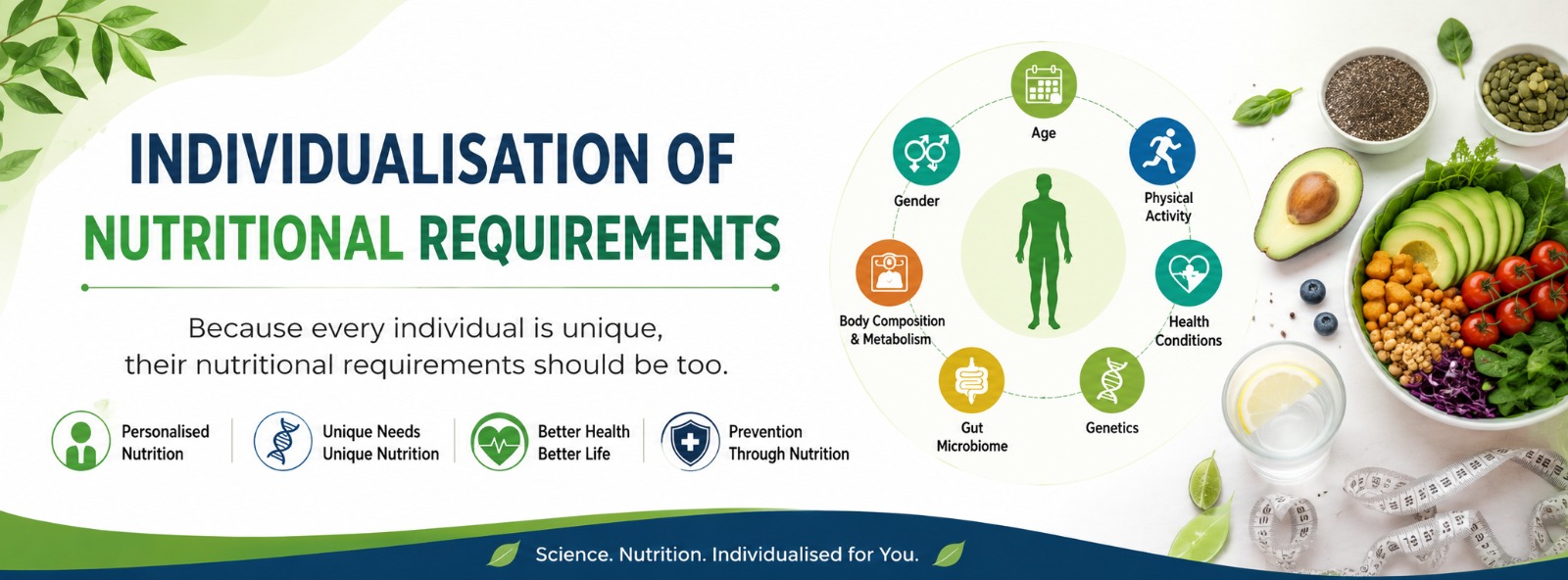
No two individuals have the same nutritional needs. While general dietary guidelines provide a foundation for healthy eating, factors such as age, gender, body composition, physical activity, genetics, health status, and lifestyle significantly influence the nutrients each person requires. This concept is known as individualisation of nutritional requirements.
For example, children need adequate protein, calcium, and vitamins to support growth, whereas older adults often require higher protein and vitamin D to maintain muscle and bone health. Similarly, athletes have greater energy and protein needs than individuals with a sedentary lifestyle. Pregnant and breastfeeding women require additional nutrients such as folic acid, iron, and iodine to support both maternal and infant health.
Medical conditions also play an important role in determining nutritional needs. People with diabetes, kidney disease, food allergies, or digestive disorders often need specialised dietary modifications to manage their health effectively. In addition, emerging research highlights the influence of genetics and the gut microbiome on nutrient metabolism and overall health, reinforcing the value of personalised nutrition.
Individualised nutrition focuses on understanding a person's unique characteristics and designing dietary strategies that support their health goals, improve nutrient adequacy, and reduce the risk of chronic diseases. Rather than following one-size-fits-all diets or temporary food trends, personalised nutrition encourages sustainable eating habits that fit an individual's lifestyle and physiological needs.
As nutrition science continues to evolve, personalised dietary guidance is becoming an essential component of preventive healthcare, helping people achieve better health outcomes through informed, evidence-based nutrition choices.